A plumbing inspection is a systematic evaluation by a licensed professional that verifies your plumbing system meets code requirements, functions correctly, and is free of hidden defects. Understanding how plumbing inspection works protects your property from water damage, mold, and costly emergency repairs. The process follows a defined sequence governed by standards like the International Residential Code (IRC) 2024, covering everything from underground pipe runs to final fixture testing. Whether you own a single-family home or manage a commercial building, knowing what inspectors check and when gives you real control over your property’s condition.
How does a plumbing inspection work? The three required stages
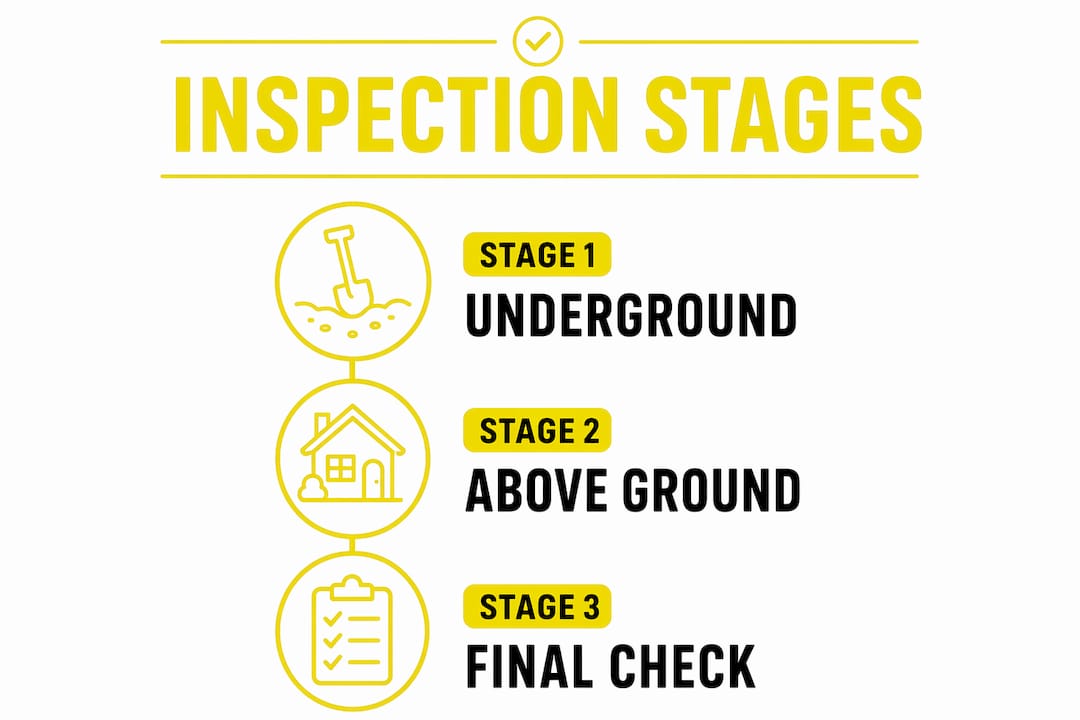
A plumbing inspection is not a single visit. Three distinct stages are required for any permitted plumbing work: underground rough-in, above-ground rough-in, and final inspection. Each stage must pass before work can continue.
Stage 1: Underground rough-in. This inspection happens before any concrete is poured or soil is backfilled. The inspector checks drain lines, sewer connections, and underground supply pipes for correct slope, material, and depth. Failing this stage means excavating again, which is expensive and time-consuming.
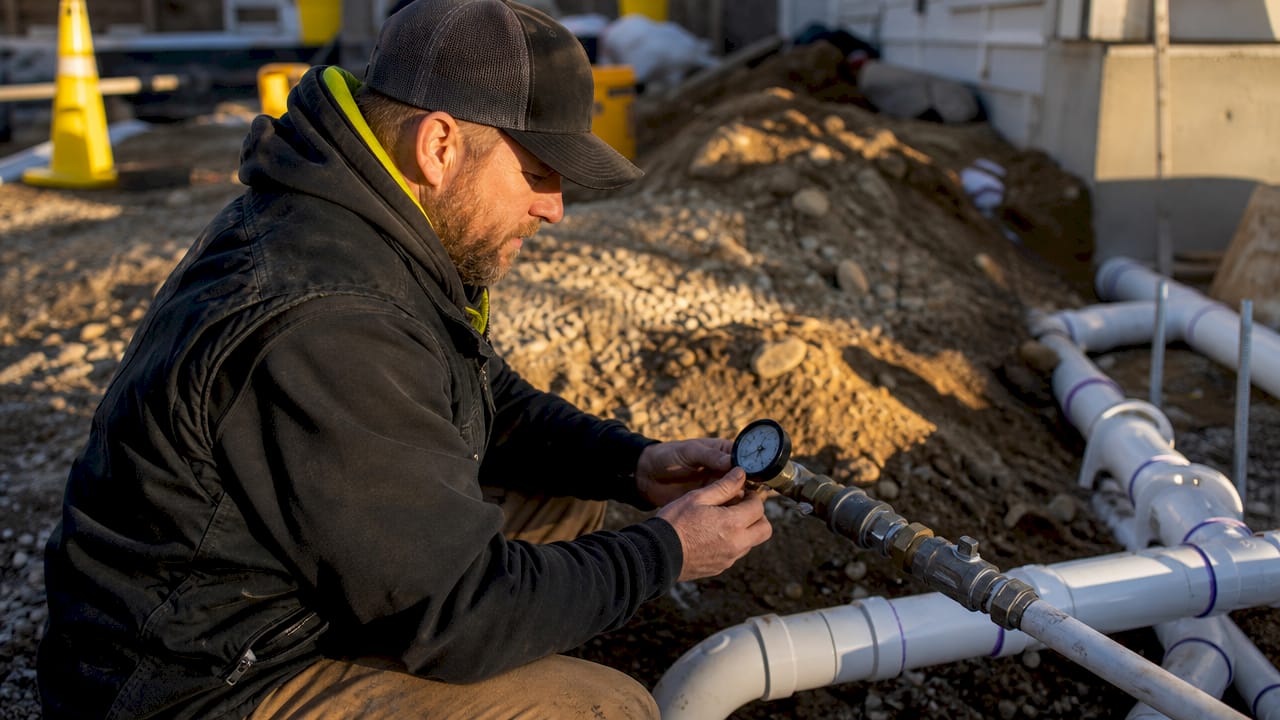
Stage 2: Above-ground rough-in. Once framing is complete but walls are still open, the inspector verifies supply lines, drain-waste-vent (DWV) piping, pipe supports, and fire-blocking. Skipping this stage risks a stop-work order and forces you to open finished walls for re-inspection. This is the stage where most code violations are caught.
Stage 3: Final inspection. After fixtures are installed and the system is operational, the inspector runs functional tests. This covers water pressure, fixture operation, drainage speed, and visible leak checks.
- Schedule each stage with 24–48 hours’ notice to the authority having jurisdiction.
- Keep the work area accessible and unobstructed for the inspector.
- Do not close walls or pour concrete before receiving written approval.
- Retain all inspection reports for your property records.
Pro Tip: Schedule your rough-in inspection the moment framing is complete. Delays in scheduling add days to your project timeline and can push your final inspection past permit expiration dates.
How do inspectors evaluate plumbing components?
A professional plumbing inspection goes well beyond a visual walkthrough. Specialized diagnostic tools like video sewer cameras and pressure gauges separate a licensed plumbing inspection from a general home inspection, which is mostly non-invasive and visual.
Inspectors check the following during a thorough evaluation:
- Pipe materials and support spacing. Inspectors verify that pipe materials match code requirements for the application (copper, PEX, or cast iron) and that hangers are spaced correctly to prevent sagging.
- Venting and trap configurations. Every fixture needs a properly sized vent and a trap to block sewer gases. Inspectors check vent sizing and placement against the IRC and local amendments.
- Water pressure testing. Normal residential pressure runs between 40 and 80 psi. Readings above 80 psi require a pressure-reducing valve. Pressure tests must hold at 50 psi for 15 minutes to pass.
- Multi-fixture flow testing. Running multiple fixtures simultaneously reveals systemic pressure drops or drainage failures that a single-faucet test would miss entirely.
- Leak detection. Inspectors check under sinks, around supply connections, and at drain joints for active leaks or moisture staining.
- Shutoff valve operation. Every fixture and appliance must have an accessible, functional shutoff valve.
A systematic, detailed approach is what separates a professional plumbing inspection from a casual check. Inspectors also look for early warning signs like corrosion, damp cabinet interiors, and warped flooring near plumbing fixtures.
Pro Tip: Clear out the space under every sink and around water heaters before the inspector arrives. Blocked access adds time and can result in incomplete documentation.
What common issues do plumbing inspections uncover?
A plumbing inspection is a critical opportunity to find hidden defects before walls are closed and problems become expensive. The most common issues inspectors flag include:
- Improper pipe slope. Drain lines need a minimum slope (typically 1/4 inch per foot) to carry waste effectively. Flat or back-pitched pipes cause chronic clogs.
- Corroded or unsupported pipes. Older galvanized steel pipes corrode from the inside, reducing flow and contaminating water. Unsupported pipes vibrate, wear at joints, and eventually leak.
- Blocked or missing vents. A blocked vent causes slow drains and allows sewer gas into living spaces. Missing vents are a code violation that requires correction before final approval.
- Faulty shutoff valves. Valves that are seized or inaccessible cannot stop water flow during an emergency, turning a minor leak into a flood.
- Leaking joints and fittings. Even small drips at threaded or soldered connections cause mold growth inside walls over months.
Leaving these defects unaddressed creates compounding consequences. Water damage leads to mold, structural rot, and potential health hazards for occupants. Code violations carry fines and can complicate property sales or insurance claims.
When an inspector flags a defect, the permit authority issues a correction notice. You fix the problem, then schedule a re-inspection. Proper sequencing is non-negotiable: no wall closures, no concrete pours, and no occupancy until each stage passes. Treating correction notices as optional is a mistake that creates legal and financial exposure.
How do residential and commercial inspections differ?
The plumbing inspection process follows the same basic logic for both property types, but the scope and complexity differ significantly. The table below outlines the key distinctions.
| Category | Residential | Commercial |
|---|---|---|
| Pipe sizing | Smaller diameter, lower flow demand | Larger diameter, high simultaneous demand |
| Fixture count | Limited; single-family or multi-unit | High volume; restrooms, kitchens, mechanical rooms |
| Code standards | IRC 2024 with local amendments | IPC plus OSHA, ADA, and local commercial codes |
| Backflow prevention | Required at hose bibs and irrigation | Required at all cross-connections; tested annually |
| Seismic restraints | Rarely required | Often required for large pipe runs in Massachusetts |
| Inspection frequency | At permit milestones; periodic maintenance | More frequent; often tied to lease or licensing requirements |
| Documentation | Inspection report for homeowner records | Formal compliance records for regulatory bodies |
Commercial property managers face additional compliance layers. Pipe sizing requirements in commercial buildings affect flow rates, pressure balance, and fixture performance across dozens of simultaneous users. Backflow prevention devices must be tested annually by a certified tester in most Massachusetts jurisdictions. Seismic restraints on large pipe runs are a code requirement in many commercial applications. Planning a commercial renovation also requires coordinating inspection stages with tenant operations, which adds scheduling complexity. A detailed commercial plumbing renovation plan accounts for these layers from the start.
How to prepare for a plumbing inspection and use the results
Preparation directly affects how smoothly an inspection goes and how useful the results are. A few practical steps make a real difference.
- Give proper notice. Contact the permit authority 24–48 hours before your desired inspection date. Last-minute requests often result in delays that push your project timeline.
- Ensure full access. Clear paths to all plumbing fixtures, the water main shutoff, the water heater, and any crawl space or basement access points. Inspectors cannot evaluate what they cannot reach.
- Do not operate suspect valves. Inspectors are trained to document and report, not to force corroded or seized valves. Attempting to operate a heavily corroded shutoff during inspection can cause an immediate failure.
- Review the report the same day. Inspection reports list defects by priority. Address life-safety items (gas-adjacent plumbing, active leaks, missing vents) before cosmetic or minor code items.
- Use findings for preventive maintenance. Items noted as “monitor” or “near end of service life” are your maintenance calendar. Schedule follow-up service before they become failures.
Pro Tip: Ask the inspector to walk you through the report verbally before they leave. A five-minute conversation clarifies which defects are urgent and which can wait, saving you from unnecessary emergency calls.
Inspection results are most valuable when you treat them as a maintenance roadmap, not just a pass/fail verdict. Homeowners who act on “monitor” items consistently avoid the emergency repairs that dominate common plumbing complaint causes in residential properties.
Key Takeaways
A plumbing inspection is a multi-stage, code-driven process that protects property value, prevents hidden damage, and ensures every system component meets the IRC and local standards.
| Point | Details |
|---|---|
| Three required stages | Underground rough-in, above-ground rough-in, and final inspection must each pass before work continues. |
| Pressure testing standard | Water pressure must hold at 50 psi for 15 minutes; readings above 80 psi require a pressure-reducing valve. |
| Multi-fixture flow testing | Running multiple fixtures simultaneously is the only reliable way to detect systemic pressure or drainage problems. |
| Commercial vs. residential scope | Commercial inspections add backflow prevention, seismic restraints, and annual compliance documentation beyond residential requirements. |
| Use results as a maintenance plan | “Monitor” items on inspection reports are your schedule for preventive repairs before failures occur. |
What 15 years of inspections taught me about plumbing checks
Most property owners treat a plumbing inspection as a bureaucratic hurdle. That framing costs them money. The inspections that deliver the most value are the ones where the owner is present, asks questions, and leaves with a clear picture of their system’s actual condition, not just a pass/fail stamp.
The defects that concern me most are never the obvious ones. A dripping faucet gets fixed immediately because it’s visible. The real risk is the slow seep at a threaded fitting inside a wall cavity, the slightly back-pitched drain that clogs every six months, or the corroded shutoff valve that nobody has touched in 20 years. Those are the items that turn into $15,000 water damage claims.
The balance between thoroughness and occupant disruption is real, especially in commercial buildings. A full multi-fixture flow test during business hours is disruptive. Scheduling it during off-peak hours takes coordination, but it produces accurate results. Cutting corners on timing produces an inspection report that looks clean but misses systemic pressure drops under real load.
My consistent advice: combine your inspection with a scheduled maintenance visit. Have the inspector identify what needs attention, then have a licensed plumber address it the same day. That approach compresses the timeline, reduces the number of access disruptions, and gives you a system that is genuinely healthy, not just code-compliant on paper.
— Matt
Mysticvalleyservices: licensed plumbing inspections in Massachusetts
Mysticvalleyservices provides licensed plumbing inspections and maintenance services across Massachusetts, covering all three required inspection stages for residential and commercial properties.
The Mysticvalleyservices team handles permit coordination, multi-fixture pressure testing, video sewer camera diagnostics, and post-inspection repair work under one roof. That means fewer scheduling gaps and faster correction turnaround when defects are found. For commercial property managers, Mysticvalleyservices offers service contracts that include scheduled inspections, backflow prevention testing, and priority emergency response. Homeowners can book a single inspection or set up a recurring maintenance plan. Review the full range of plumbing inspection services or contact the team directly to schedule your next inspection.
FAQ
What is a plumbing inspection?
A plumbing inspection is a formal evaluation by a licensed professional that verifies a property’s plumbing system meets code requirements, functions correctly, and is free of defects. It covers pipe materials, pressure, drainage, venting, and fixture operation.
How many stages does a plumbing inspection have?
A permitted plumbing project requires three inspection stages: underground rough-in, above-ground rough-in, and final inspection. Each stage must receive written approval before work proceeds.
How often should a property owner schedule a plumbing inspection?
Residential properties benefit from a professional plumbing check every 2–3 years, or before and after major renovations. Commercial properties often require annual inspections tied to licensing, lease agreements, or backflow prevention compliance.
What happens if a plumbing inspection fails?
The permit authority issues a correction notice listing the defects. You fix the identified problems and schedule a re-inspection. Walls cannot be closed and occupancy cannot proceed until the re-inspection passes.
How much does a plumbing inspection cost?
Costs vary by property size, location, and inspection scope. A basic residential inspection typically runs less than a full home inspection, while commercial inspections with pressure testing and camera diagnostics carry higher fees. Contact Mysticvalleyservices directly for a current quote in Massachusetts.