Plumbing failures are the leading cause of rental maintenance requests, accounting for 25.4% of all tickets in 2026 data. The most common tenant plumbing complaint causes are toilets, leaks, slow drains, and running faucets. These four categories drive the majority of service calls in rental properties across Massachusetts and the rest of the country. Understanding what triggers each complaint helps tenants avoid costly damage and gives property managers a clear path to fewer repeat calls.
1. Common tenant plumbing complaint causes: why toilets top the list
Toilets are the single biggest source of plumbing complaints in rental properties. Toilets represent 36% of all reported plumbing issues, followed by showers and tubs at 20% and faucets at 15%. That gap is significant. It means one fixture type generates more service calls than any other category combined.
The most frequent toilet problems tenants report are running toilets, leaks at the base, and flushing failures. A running toilet is almost always caused by a worn flapper, a faulty fill valve, or a damaged float. These are small mechanical parts that degrade over time with normal use. When they fail, the toilet runs continuously, wasting water and driving up utility bills.
Tenant behavior also plays a major role. Flushing non-flushable items like wipes, paper towels, and cotton balls causes blockages that require professional clearing. These are not wear-and-tear failures. They are misuse events, and lease agreements typically hold tenants financially responsible for the repair cost.
- Check the toilet tank lid and listen for a hissing sound, which signals a running fill valve.
- Never flush anything other than toilet paper and human waste.
- Report any water pooling at the base of the toilet immediately. That water often contains bacteria.
- Jiggle the handle if the toilet runs after flushing. If it stops, the flapper chain is likely too long.
Pro Tip: Lift the toilet tank lid and press down on the flapper with your finger. If the running stops, the flapper needs replacing. A replacement flapper costs under $10 at any hardware store and takes about five minutes to install.
2. Leaking fixtures and pipes: causes and tenant impact
Leaking faucets and pipes are the second biggest category of plumbing issues tenants face. Leaking faucets cause significant water waste and rank among the top complaints in homeowner and renter studies alike. A slow drip from a faucet may seem minor, but it signals a worn washer, corroded valve seat, or loose fitting that will worsen without attention.
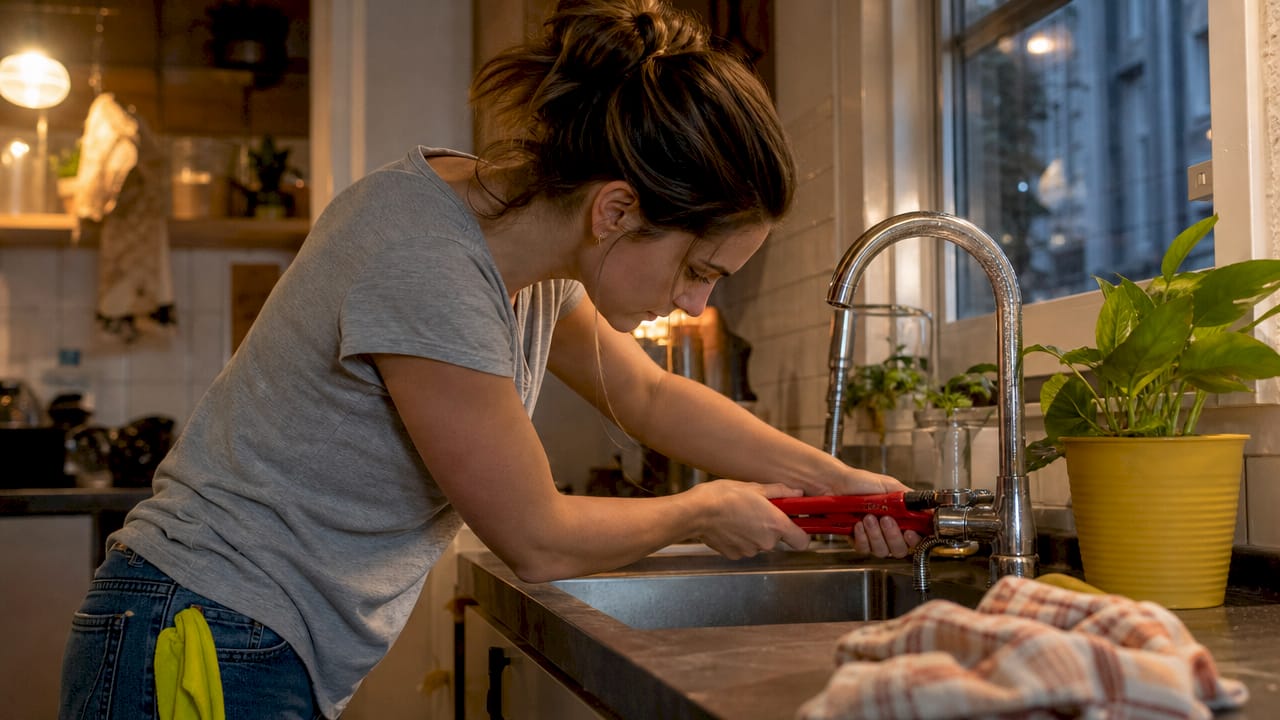
Leaks create two problems at once. They waste water and raise utility bills, and they cause water damage to cabinets, floors, and walls if left unchecked. Mold can develop within 24–48 hours of sustained moisture exposure. That turns a $15 washer replacement into a remediation project.
Most under-sink plumbing in rental units is plastic, which means minor leaks at joints can sometimes be stopped by hand-tightening the connection. Tenants should attempt this before submitting a maintenance request, but only on plastic fittings and only if the leak is minor.
- Check under sinks monthly for moisture, staining, or soft cabinet floors.
- Tighten plastic slip-joint connections by hand if you see dripping at the joint.
- Report any leak involving metal pipes, hot water lines, or wall penetrations immediately.
- Never use tape or sealant on a pressurized supply line without professional guidance.
Pro Tip: For a leaking pipe joint that needs to hold overnight, a makeshift washer cut from a rubber inner tube or thick cardboard can act as a temporary seal. This buys time until a licensed plumber arrives. Document the leak with photos before and after.
3. Slow drains and blockages: origins and prevention
Slow drains are one of the top plumbing complaints tenants file, and they are almost entirely preventable. Hair, grease, soap scum, and non-flushable items are the four main culprits. Each one builds up gradually until water backs up or stops draining entirely.
Tenant habits drive most slow drain problems. Pouring cooking grease down the kitchen sink is the single most common cause of kitchen drain blockages. Grease solidifies as it cools and coats the pipe walls. Over time, it narrows the pipe until flow stops. Bathroom drains clog primarily from hair and soap residue, which bind together and form a dense mat inside the drain trap.
Ignoring early warning signs like slow draining water or musty smells leads to costly water damage and repeated complaints. A slow drain that takes 30 seconds longer to clear than usual is a warning. A drain that backs up into the sink or tub is an emergency. The difference between those two states is usually just a few weeks of inaction.
Slow draining pipes can also signal systemic problems deeper in the building’s plumbing stack. If multiple drains in a unit slow down at the same time, the blockage is likely in a shared line, not an individual fixture. That requires professional intervention, not a plunger.
- Install mesh drain strainers in every shower and bathroom sink.
- Pour cooking grease into a container and dispose of it in the trash, never the drain.
- Run hot water for 30 seconds after washing dishes to flush soap residue.
- Report slow drains within a week of noticing them. Do not wait for a full blockage.
Pro Tip: A cup of baking soda followed by a cup of white vinegar, left for 15 minutes and then flushed with hot water, clears light soap and grease buildup from bathroom drains. This works as monthly maintenance, not as a fix for a fully blocked drain.
4. Running faucets and minor leaks as recurring tenant concerns
Running faucets waste water steadily and rank among the most common plumbing problems tenants report. The cause is almost always a worn washer, a degraded O-ring, or a damaged valve seat inside the faucet body. These parts wear out through normal use, especially in older rental units with aging fixtures.
Tenants often ignore a small drip because it seems harmless. That is a costly mistake. A faucet dripping once per second wastes more than 3,000 gallons of water per year. Beyond the water waste, the constant moisture accelerates corrosion inside the faucet and on the surfaces below it.
Recurring minor leaks often signal aging plumbing that needs professional assessment. If a faucet drips again within weeks of a repair, the underlying valve seat or cartridge is likely worn beyond what a washer swap can fix. That is a signal to escalate to property management for a full fixture replacement.
- Check all faucets monthly by running your hand under the spout when the tap is off.
- Report any drip that persists longer than 24 hours after tightening the handle.
- Note whether the drip is from the spout or from the base of the handle. The location tells the plumber which part has failed.
- Document recurring leaks with dated photos to support your maintenance request.
Pro Tip: Place a dry paper towel under a suspect faucet overnight. If it is damp in the morning, you have a slow leak that is not yet visible. This simple test catches drips before they cause cabinet damage.
5. How tenant behavior and lease terms shape plumbing responsibility
Plumbing repair responsibility in rental properties follows a clear rule: landlords fix problems caused by normal wear and tear, and tenants pay for damage caused by misuse. Landlords maintain habitability by repairing worn parts; tenants are liable when negligence causes the failure.
The most common tenant-caused plumbing problems are flushed diapers, paper towels, and grease buildup in drains. Tenant negligence in these categories gives landlords the legal basis to charge repair costs back to the tenant. Lease agreements in Massachusetts and most other states support this distinction explicitly.
Lease terms sometimes specify minor maintenance tasks that tenants must handle, such as replacing faucet aerators or clearing hair from drain traps. Tenants who do not read these clauses often dispute charges that are clearly their responsibility under the lease. Reading the maintenance section of your lease before a problem occurs is the most practical thing you can do.
Urgent plumbing failures, including lack of hot water, sewage backups, and major leaks, must be repaired by landlords within 24-hour to 14-day windows depending on local law. If your landlord misses that window, document everything in writing and contact your local housing authority.
Tenant negligence also drives the high repeat rate for plumbing complaints. Plumbing complaints average 1.60 repeat tickets per affected unit per year. That number drops sharply when tenants understand what behaviors cause the problems in the first place.
- Know your lease’s maintenance section before you need it.
- Never flush anything labeled “flushable” except toilet paper. Wipes and flushable products cause blockages.
- Report plumbing problems in writing, even if you also call. Written records protect both parties.
- If a landlord does not respond to an urgent repair within the legal window, escalate in writing immediately.
Key takeaways
Toilets, leaks, slow drains, and running faucets cause the vast majority of tenant plumbing complaints, and most originate from either normal wear and tear or preventable tenant behavior.
| Point | Details |
|---|---|
| Toilets lead all complaints | Toilets cause 36% of plumbing issues; worn flappers and misuse are the top triggers. |
| Early detection prevents damage | Slow drains and musty smells signal problems weeks before they become costly repairs. |
| Tenant behavior drives recurrence | Flushing non-flushables and pouring grease down drains cause the most repeat service calls. |
| Lease terms define responsibility | Landlords cover wear and tear; tenants pay for damage caused by misuse or negligence. |
| Urgent repairs have legal deadlines | Landlords must fix major plumbing failures within 24 hours to 14 days under local law. |
What I have learned from years of plumbing calls in rental properties
The pattern I see most often is not a broken pipe or a failed fixture. It is a tenant who noticed something three weeks ago and said nothing. A slow drain becomes a backup. A dripping faucet becomes a rotted cabinet floor. A running toilet becomes a $200 water bill that nobody wants to pay.
The conventional advice is to “communicate early.” That is true but incomplete. The real issue is that tenants do not always know what counts as a reportable problem. They assume a slow drain will clear itself or that a dripping faucet is just how old fixtures work. Property managers need to close that knowledge gap proactively, not reactively.
The most effective thing I have seen property managers do is send a one-page plumbing guide to every new tenant at move-in. It lists what to report, what not to flush, and how to do a basic monthly check under the sink. Units with that guide in place generate fewer repeat calls. The fix is not always a wrench. Sometimes it is a piece of paper.
Building a reliable service relationship with a licensed plumber also changes the math. When a property manager can get a technician on-site within 24 hours, tenants stop trying to fix things themselves and making them worse. Speed of response is the single biggest factor in whether a minor plumbing issue stays minor. Mysticvalleyservices has handled enough rental property calls in Massachusetts to confirm that the properties with the fewest repeat complaints are the ones with a standing service relationship, not the ones that call around every time something breaks.
— Matt
Mysticvalleyservices keeps rental plumbing running right
Plumbing problems in rental properties rarely fix themselves. They grow. Mysticvalleyservices provides plumbing and maintenance services across Massachusetts, covering leak detection, faucet repairs, toilet troubleshooting, and drain cleaning for both tenants and property managers.
The team at Mysticvalleyservices responds fast, diagnoses accurately, and handles repairs that prevent the repeat calls that drive up maintenance costs. Whether you manage one unit or a full building, having a trusted plumber on call is the difference between a minor fix and a major repair bill. Visit Mysticvalleyservices to schedule a service visit or ask about a maintenance plan for your property.
FAQ
What are the most common plumbing problems tenants report?
Toilets, leaking fixtures, slow drains, and running faucets are the top four. Toilets alone account for 36% of plumbing complaints in rental properties.
Who is responsible for plumbing repairs in a rental unit?
Landlords cover repairs caused by normal wear and tear. Tenants are responsible for damage caused by misuse, such as flushing non-flushable items or pouring grease down drains.
How do I report plumbing issues as a tenant?
Submit your request in writing, describe the problem clearly, and include photos. Written documentation protects you if a dispute arises over repair costs or response time.
How quickly must a landlord fix a plumbing problem?
Urgent failures like sewage backups or loss of hot water require repairs within 24 hours to 14 days depending on state and local law. Non-urgent issues have longer windows but still require a timely response.
Can tenants fix minor plumbing problems themselves?
Tenants can safely hand-tighten plastic under-sink connections and replace toilet flappers. Any repair involving metal supply lines, hot water, or wall penetrations should go to a licensed plumber.