A commercial plumbing inspection is a systematic, professional evaluation of every plumbing component in a commercial property to confirm functionality, safety, and regulatory compliance. Property managers who understand this process protect their facilities from costly failures, avoid code violations, and make smarter repair budgets. The International Residential Code (IRC) and state-level inspection authorities set the standards that licensed inspectors follow. Mysticvalleyservices conducts these evaluations for commercial properties across Massachusetts, applying the same structured process described throughout this guide.
How commercial plumbing inspection works: the full scope
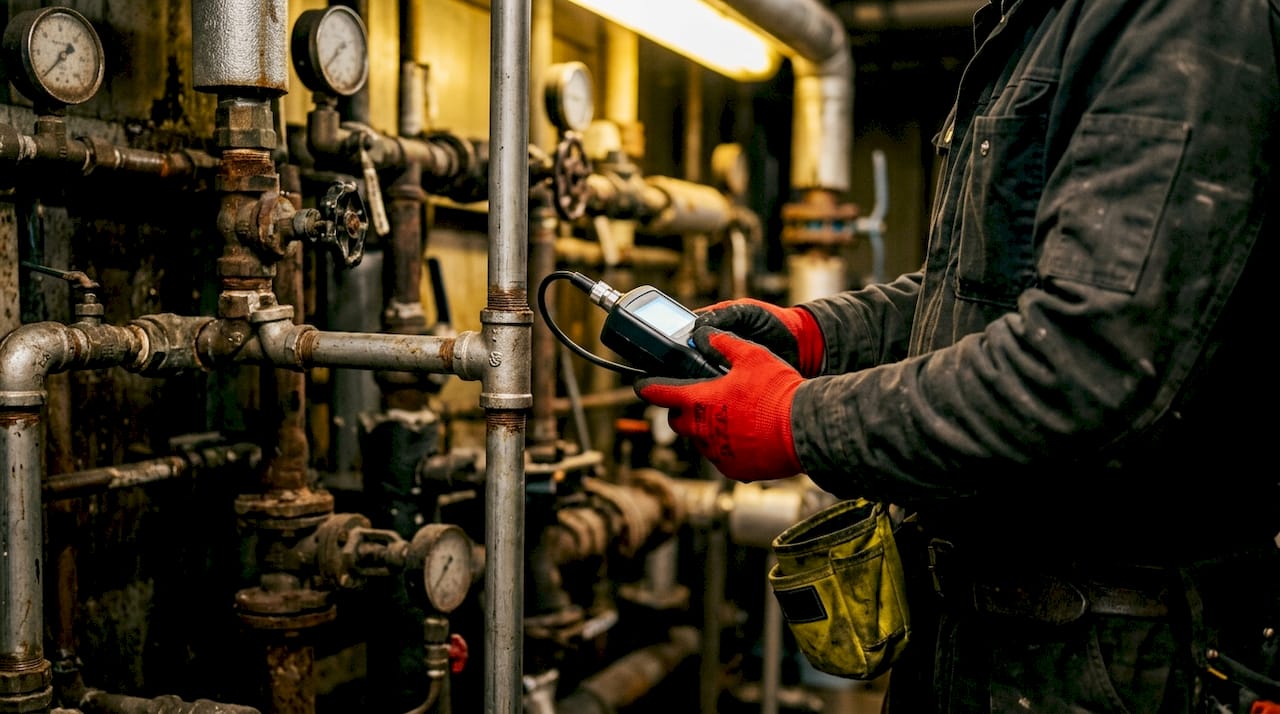
A commercial plumbing inspection covers every system that moves water into, through, and out of a building. Inspectors evaluate water supply lines, drainage systems, fixtures, valves, and backflow prevention devices as a single interconnected system. The goal is to catch problems before they become failures.
What inspectors examine
The inspection follows a structured commercial plumbing inspection checklist that covers six core areas:
- Water supply lines and pressure. Standard working pressure runs 40–80 psi. Pressure below 40 psi causes fixture underperformance. Pressure above 80 psi risks pipe and valve damage, and inspectors will recommend a pressure reducing valve.
- Drainage and sewer systems. Inspectors check drain slopes, look for blockages, and assess sewer line condition. Video sewer inspection is used when internal pipe condition cannot be confirmed visually.
- Fixtures. Every toilet, faucet, floor drain, and utility sink gets tested for proper operation, sealing, and water flow.
- Backflow prevention devices. These assemblies stop contaminated water from flowing back into the potable supply. Inspectors verify they are installed correctly and functioning.
- Valves and shutoffs. All isolation valves must be accessible and operable. A seized shutoff valve during an emergency turns a minor leak into a flood.
- Corrosion, leaks, and physical damage. Inspectors document any visible deterioration, staining, or active moisture that signals a developing problem.
Pro Tip: Ask your inspector to include a video sewer inspection for buildings older than 20 years. Root intrusion and pipe collapse are invisible to a surface walkthrough and are among the most expensive surprises in commercial plumbing.
How often should you schedule a commercial plumbing inspection?
Inspection frequency is not one size fits all. High-traffic zones require monthly inspections, while standard office buildings typically need quarterly or semi-annual evaluations. That gap exists because a commercial kitchen runs its drains and grease traps at a volume that a corporate office never approaches.
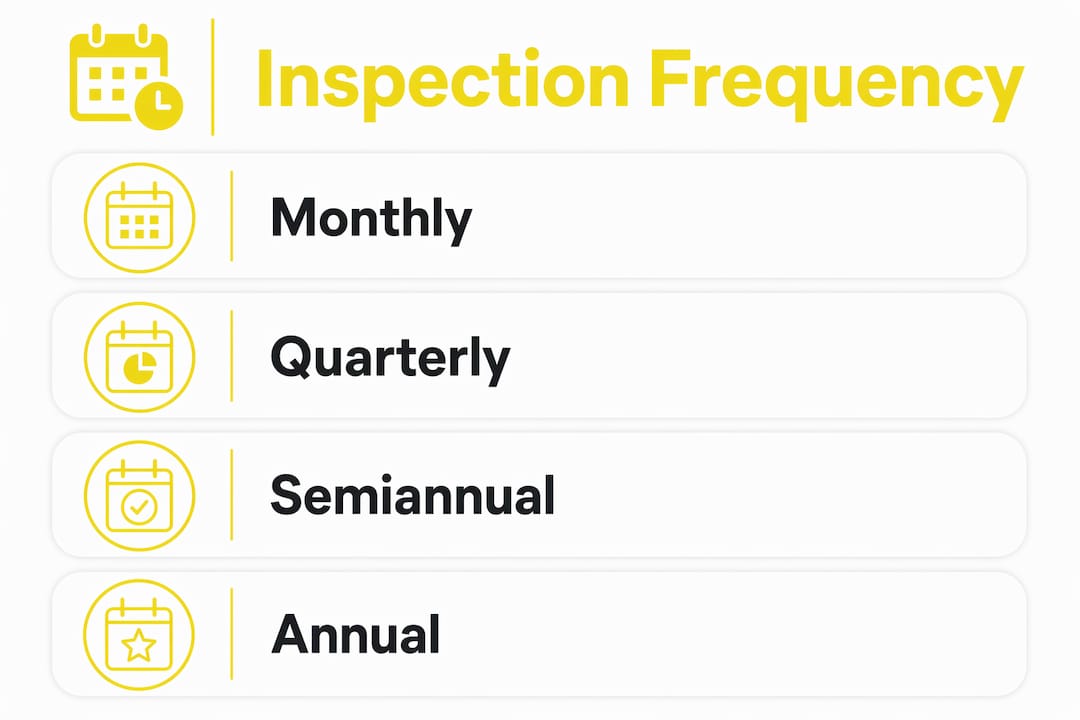
| Facility type | Recommended frequency | Key focus areas |
|---|---|---|
| Commercial kitchens and restaurants | Monthly | Grease traps, drains, hot water supply |
| Retail and high-traffic public spaces | Monthly | Fixtures, floor drains, water pressure |
| Standard office buildings | Quarterly or semi-annual | Supply lines, valves, fixture condition |
| Backflow prevention assemblies | Annually (state-mandated) | Certification and function test |
Backflow certification is a separate process from your routine inspection. State law requires annual certification, and missing that deadline triggers fines. Track it on its own calendar, independent of your general maintenance schedule.
Pro Tip: Build your inspection schedule into your facility management calendar at the start of each year. Scheduling in advance prevents the common mistake of letting quarterly checks slip into semi-annual ones by default.
What does a commercial plumbing inspection cost?
The inspection fee itself is typically a fixed rate or hourly charge, and it is separate from any repair work that follows. Understanding this separation is the first step to budgeting commercial plumbing repairs accurately.
Repair costs after an inspection follow a predictable structure:
- Hourly labor rates run $100–$250 for standard work. Emergency callout rates run 1.5 to 2 times the standard rate.
- Drain cleaning typically costs $300–$1,200 depending on method and line length.
- Pipe replacement ranges from $1,000–$5,000 depending on material, access, and scope.
- Flat fees apply to routine tasks like fixture replacement, where the scope is predictable.
The financial case for proactive inspections is straightforward. Routine maintenance lowers emergency repair costs by avoiding premium labor rates, water damage remediation, and operational downtime. A $300 drain cleaning found during a scheduled inspection costs far less than a $3,000 emergency call at 2:00 AM.
What is the difference between maintenance and code inspections?
Property managers often confuse these two inspection types, and the confusion leads to compliance gaps. Maintenance inspections focus on preventing failures; code inspections are required by jurisdictions during construction or renovation and follow a strict staged approval process.
The key differences break down as follows:
- Purpose. Maintenance inspections assess operational health. Code inspections verify that new or modified work meets the IRC and local plumbing code before it is covered or put into service.
- Trigger. Maintenance inspections are scheduled by the property manager. Code inspections are triggered by a permit pulled for construction, renovation, or system modification.
- Stages. Code inspections happen at defined milestones: rough-in, underground, and final. Each stage requires jurisdiction approval before work proceeds.
- Repairs. Maintenance inspections can include minor repairs if pre-authorized. Code inspections do not include repairs. The inspector approves or rejects the work; the contractor corrects deficiencies separately.
- Documentation. Both produce records, but code inspection records are filed with the local authority having jurisdiction (AHJ) and become part of the building’s permit history.
Knowing which type applies to your situation prevents you from calling a maintenance plumber when you actually need a permit and a code inspection. A plumbing renovation for commercial spaces almost always requires the code inspection path, not a routine maintenance visit.
How do you read and use a commercial plumbing inspection report?
A quality inspection report is a management tool, not just a pass/fail checklist. High-quality reports include GPS-tagged, timestamped photos, detailed written notes on each deficiency, remaining service life estimates for major assets, and clear next-step recommendations.
Here is how to extract maximum value from the document:
- Prioritize by urgency. Reports typically flag findings as immediate, near-term, or long-term. Address immediate items before the inspector leaves the building if minor, or within days for anything affecting safety or water quality.
- Use service life data for capital planning. If the report notes that your main supply line has an estimated five years of remaining service life, that figure belongs in your five-year capital budget now, not as a surprise later.
- Treat photos as evidence. Timestamped documentation protects you in tenant disputes, insurance claims, and regulatory audits. A photo of a properly functioning backflow preventer on a specific date is worth more than a verbal assurance.
- Link reports to your next inspection. Each report should inform the scope of the next one. If a valve showed early corrosion this quarter, it goes on the watch list for next quarter.
Inspections document conditions; repairs are a separate task. Most property managers assume the inspector will fix problems on the spot. That assumption leads to budget confusion and scheduling conflicts. Clarify the scope with your plumber before the inspection begins.
Key Takeaways
A commercial plumbing inspection is the most cost-effective tool a property manager has for preventing system failures, staying compliant, and planning capital repairs accurately.
| Point | Details |
|---|---|
| Inspection scope is comprehensive | Inspectors evaluate supply lines, drainage, fixtures, valves, backflow devices, and pressure across the full system. |
| Frequency depends on facility type | Commercial kitchens need monthly checks; standard offices need quarterly or semi-annual evaluations. |
| Backflow certification is separate | State law requires annual backflow preventer certification independent of routine maintenance inspections. |
| Repairs are not included by default | Inspections assess and document; repairs require a separate authorization and scheduling unless minor and pre-approved. |
| Reports drive budget decisions | GPS-tagged photos and service life estimates turn inspection findings into capital planning data. |
What I have learned from years of commercial plumbing inspections
Most property managers call for an inspection after something goes wrong. That is the most expensive way to use this service. The real value of a scheduled inspection is the data it produces before a failure occurs.
The detail that surprises property managers most is the repairs-not-included rule. Inspections document conditions; they are not repair visits. I have seen managers budget only for the inspection fee and then face an unexpected repair invoice the following week. Clarify scope before the inspector arrives, and pre-authorize minor fixes if you want them handled in the same visit.
Backflow certification deadlines are the most commonly missed compliance item I see. Missing annual certification triggers state fines, and the certification cannot be retroactively backdated. Put it on a hard calendar reminder, not a mental note.
The inspection report is where most of the value lives. A report with timestamped photos and service life assessments gives you a defensible maintenance record and a capital planning tool in one document. Managers who file reports and reference them at budget time make far better repair decisions than those who treat each inspection as a standalone event.
— Matt
Mysticvalleyservices commercial plumbing inspections in Massachusetts
Commercial property owners across Massachusetts trust Mysticvalleyservices for thorough plumbing evaluations that go well beyond a basic checklist. Every inspection produces a detailed report with photos, deficiency notes, and clear repair recommendations so you can plan and budget with confidence.
Mysticvalleyservices licensed technicians handle everything from routine maintenance inspections to backflow certification coordination and post-inspection repairs. Transparent pricing means no surprises between the inspection invoice and the repair estimate. Review the full range of commercial plumbing services available, or contact Mysticvalleyservices directly to build an inspection schedule matched to your facility type and usage.
FAQ
What does a commercial plumbing inspection include?
A commercial plumbing inspection covers water supply lines, drainage systems, fixtures, valves, backflow prevention devices, and pressure testing. Inspectors document deficiencies with photos and written notes rather than performing repairs unless minor work is pre-authorized.
How often should commercial plumbing be inspected?
Inspection frequency depends on facility type: monthly for commercial kitchens and high-traffic spaces, quarterly or semi-annual for standard offices, and annually for backflow preventer certification.
What is the standard water pressure range for commercial buildings?
Standard commercial water pressure runs 40–80 psi. Pressure below 40 psi causes fixture underperformance, and pressure above 80 psi risks pipe and valve damage.
How much do commercial plumbing repairs typically cost after an inspection?
Hourly repair rates run $100–$250 for standard work, with emergency rates 1.5 to 2 times higher. Drain cleaning typically costs $300–$1,200, and pipe replacement ranges from $1,000–$5,000.
What is the difference between a maintenance inspection and a code inspection?
A maintenance inspection assesses operational health and is scheduled by the property manager. A code inspection is required by the local jurisdiction during construction or renovation and follows staged approvals under the IRC before work can proceed.