Managing multi-unit building plumbing is defined as the coordinated oversight of shared water supply, drainage, and mechanical systems across all units in a residential or commercial property. Property managers who treat plumbing as a reactive expense rather than a managed system pay for it in emergency call volume, tenant turnover, and liability exposure. A structured quarterly maintenance program can reduce emergency service calls by 60% to 70%. That single shift in approach changes the financial profile of an entire portfolio. Mysticvalleyservices works with property managers across Massachusetts to build exactly that kind of system.
How to manage multi-unit building plumbing: components and challenges
Multi-unit plumbing systems share interconnected vertical stacks, risers, and supply lines that run through every floor of a building. A failure in one unit can cascade into adjacent units and floors if the system is not mapped and monitored correctly. This interconnected nature is the defining technical challenge that separates multi-family plumbing from single-family work.
Property managers need to understand four core infrastructure elements:
- Vertical stacks and risers: These carry waste and supply water through the building. A blockage or leak in a riser affects every unit above and below it.
- Common shutoff valves: Knowing the location and condition of zone shutoffs lets you isolate problems without cutting water to the entire building.
- Backflow preventers: Required by most local codes, these protect the municipal supply from contamination. They require annual testing in most Massachusetts jurisdictions.
- Plant rooms and mechanical spaces: Boilers, expansion tanks, and pressure-reducing valves live here. Balancing attention between unit-level issues and whole-building mechanical systems is what separates reactive managers from effective ones.
Pro Tip: Commission a full system map when you take over a new property. A licensed plumber can document stack locations, valve positions, and pipe materials in a single site visit. That map becomes the foundation for every maintenance decision you make.
Pressure balancing is another overlooked challenge. When multiple units run water simultaneously, pressure drops unevenly across floors. Pressure-reducing valves and flow restrictors address this, but they require periodic calibration. Compliance with local plumbing codes, including Massachusetts State Plumbing Code 248 CMR, adds a regulatory layer that demands documented inspections and licensed contractor sign-off.

What inspection schedule actually works for apartment plumbing?
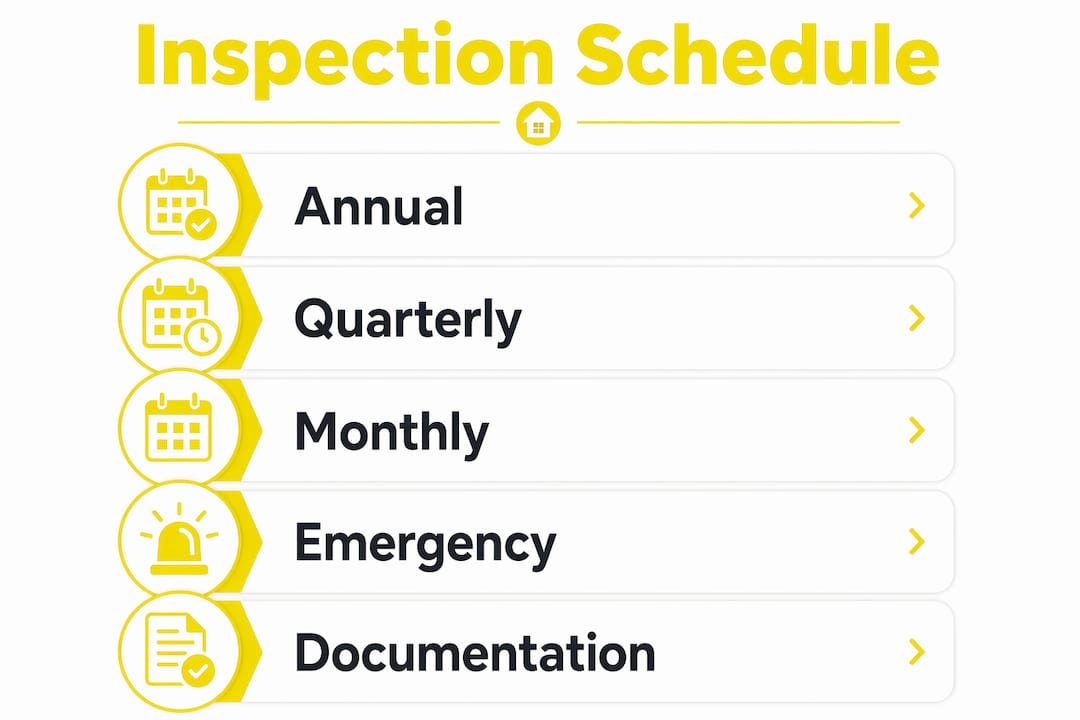
A quarterly inspection cycle is the industry standard for building plumbing maintenance in multi-unit properties. Semi-annual inspections miss the window between failures and catch problems only after they have already caused damage. Quarterly cycles let you identify slow leaks, failing valves, and sediment buildup before they become emergency calls.
A working inspection program covers these components on a rotating basis:
- Drains and cleanouts: Check for slow drainage, root intrusion, and grease buildup in common lines quarterly.
- Shutoff valves: Exercise every valve twice a year to prevent seizing. A valve that cannot close during an emergency is useless.
- Backflow preventers: Test annually and document results. Most Massachusetts water suppliers require certified test reports.
- Water heaters and boilers: Flush sediment annually, inspect anode rods, and check pressure relief valves every six months.
- Supply line connections: Inspect braided hose connections under sinks and behind toilets in accessible units annually.
| Component | Inspection Frequency | Documentation Required |
|---|---|---|
| Vertical stacks | Annually (camera inspection) | Video report |
| Backflow preventers | Annually | Certified test report |
| Shutoff valves | Semi-annually | Maintenance log entry |
| Water heaters | Semi-annually | Service record |
| Drains and cleanouts | Quarterly | Inspection checklist |
Detailed maintenance logs and testing records create defensible due diligence. They protect you in tenant disputes and insurance claims. A log entry with a date, technician name, and finding is worth far more than a verbal assurance when a tenant files a complaint.
Diagnostic tools like infrared cameras and pressure loggers have dropped in cost significantly. Infrared scanning identifies moisture behind walls before visible damage appears. Pressure loggers track overnight pressure fluctuations that point to hidden leaks. Both tools pay for themselves in avoided drywall repairs.
Pro Tip: Give tenants 24–48 hours advance written notice before any planned inspection or shutoff. Some Massachusetts localities require longer notice periods. Check your lease and local ordinances before scheduling.
What are best practices for vendor selection in multi-unit plumbing?
Consolidating plumbing services to a single vendor eliminates context-switching costs and speeds diagnostics. A technician who has worked your building three times already knows where the zone valves are, which stack serves which units, and what the previous repair history looks like. That institutional knowledge cuts diagnostic time on every call.
When evaluating a plumbing partner for a multi-unit property, prioritize these criteria:
- Emergency response time: Industry-standard service agreements specify 2–4 hours for emergencies, same-day response for urgent issues, and within 48 hours for routine requests. Any vendor who cannot commit to these tiers in writing is not built for multi-unit work.
- Flat-rate pricing: Shifting from hourly billing to flat-rate service agreements gives you budget predictability. It also makes cost reporting to ownership straightforward.
- Licensed and insured in Massachusetts: Verify active licenses through the Massachusetts Division of Professional Licensure. Insurance coverage must include general liability and workers’ compensation.
- Dedicated account technician: Large properties benefit from having one technician who builds familiarity with the system over time. Ask vendors whether they assign dedicated contacts.
A centralized maintenance calendar shared between your team and your vendor eliminates scheduling gaps. Standardized work order reporting, with photos and part numbers, builds the documentation record that protects you legally and operationally. Flat-rate agreements also make pass-through cost reporting to ownership cleaner and more defensible.
How to minimize tenant disruption during plumbing work
Tenant communication is not a courtesy. It is a legal requirement and a retention tool. Advance written notice of 24–48 hours before planned shutoffs is the baseline standard, with some local laws requiring longer lead times. Notices should include the date, time window, affected units, and an emergency contact number.
A phased approach to building-wide work reduces the impact on any single tenant:
- Identify vulnerable units first. Tenants with medical equipment, infants, or mobility limitations need extra lead time and may need alternative arrangements. Identifying vulnerable tenants before planned work is both a welfare obligation and a liability management step.
- Schedule during off-peak hours. Water shutoffs in 4-hour windows between 9:00 AM and 1:00 PM on weekdays minimize complaints. Avoid early mornings, evenings, and weekends whenever possible.
- Work floor by floor. Phased execution limits the number of units affected at any one time and gives your plumber a clear sequence to follow.
- Provide status updates. For work that runs longer than planned, text or email updates to affected tenants prevent complaint calls and build goodwill.
- Post emergency contact information. A laminated card on each floor with your emergency line and your plumber’s direct number handles after-hours calls before they become formal complaints.
Pro Tip: Keep a log of every tenant communication related to plumbing work, including the date sent, the method used, and the content. That record is your first line of defense if a tenant later claims they received no notice.
Handling true emergencies requires a different protocol. Burst pipes, sewage backups, and no-heat events in winter require immediate response. Your vendor’s emergency tier should activate within 2–4 hours. Your role is to notify affected tenants, document the event, and coordinate access. Clear communication during an emergency is the single biggest factor in whether a tenant renews their lease afterward. For guidance on common tenant plumbing complaints, knowing the patterns helps you respond faster.
Key Takeaways
Effective multi-unit plumbing management requires quarterly inspections, a single trusted vendor, flat-rate agreements, and documented tenant communication to reduce emergencies and protect your property.
| Point | Details |
|---|---|
| Quarterly inspections cut emergencies | A structured maintenance program reduces emergency calls by 60% to 70%. |
| System mapping is foundational | Document stack locations, valve positions, and pipe materials before any other work. |
| Vendor consolidation speeds repairs | One familiar plumber cuts diagnostic time and builds institutional knowledge of your systems. |
| Flat-rate agreements protect budgets | Predictable pricing makes cost reporting to ownership accurate and defensible. |
| Tenant notice is a legal requirement | Provide 24–48 hours written notice before shutoffs and log every communication. |
What I have learned from years of multi-unit plumbing work
The property managers who handle plumbing best are not the ones with the newest buildings. They are the ones who treat documentation as seriously as they treat repairs. I have seen landlords lose tenant disputes not because they failed to fix a problem, but because they could not prove when they fixed it or that they had inspected the system beforehand. A maintenance log is not paperwork. It is your defense.
The second thing I have learned is that most managers underestimate how much a single vendor relationship is worth. When you call a plumber who already knows your building, you are not paying for a diagnostic. You are paying for a repair. That difference shows up in every invoice and in every hour your tenants are without water.
Tenant communication is where I see the most avoidable damage to landlord reputation. A tenant who gets 48 hours notice and a follow-up text is a tenant who renews. A tenant who discovers the water is off when they turn on the shower is a tenant who calls the housing authority. The work itself matters less than how you manage the people living through it. If you want to manage maintenance contracts the right way, start with the relationship, not the paperwork.
— Matt
Mysticvalleyservices: plumbing support built for property managers
Property managers in Massachusetts need a plumbing partner who understands multi-unit systems, not just single-family repairs. Mysticvalleyservices provides maintenance contracts, priority emergency response, and certified inspection services designed for apartment buildings and multi-family properties.
Mysticvalleyservices offers flat-rate agreements that give you predictable costs and clear reporting for ownership. Technicians document every visit with photos, part records, and system notes, building the maintenance history your property needs. For a full overview of how plumbing inspections work and what to expect from a professional maintenance program, Mysticvalleyservices covers the full process from initial assessment to ongoing compliance. Reach out to discuss a contract structure that fits your building’s size and service requirements.
FAQ
What does it mean to manage multi-unit building plumbing?
Managing multi-unit building plumbing means overseeing shared water supply, drainage, and mechanical systems across all units through scheduled inspections, vendor coordination, and documented maintenance. The goal is to prevent emergencies and maintain code compliance.
How often should apartment plumbing systems be inspected?
Quarterly inspections are the standard for multi-unit properties. A quarterly cycle catches slow leaks, failing valves, and sediment buildup before they escalate into emergency repairs.
What response times should a plumbing vendor guarantee?
Industry-standard service agreements specify 2–4 hours for emergencies, same-day response for urgent issues, and within 48 hours for routine requests. Any vendor serving multi-unit properties should commit to these tiers in writing.
How much notice do tenants need before a plumbing shutoff?
The baseline standard is 24–48 hours advance written notice. Some Massachusetts localities require longer lead times, so check your lease terms and local ordinances before scheduling any planned shutoff.
Why is documentation so important in multi-unit plumbing management?
Maintenance logs, inspection reports, and testing records create a defensible record that protects property managers in tenant disputes and insurance claims. Without documentation, proving that a repair was made or an inspection was completed becomes nearly impossible.