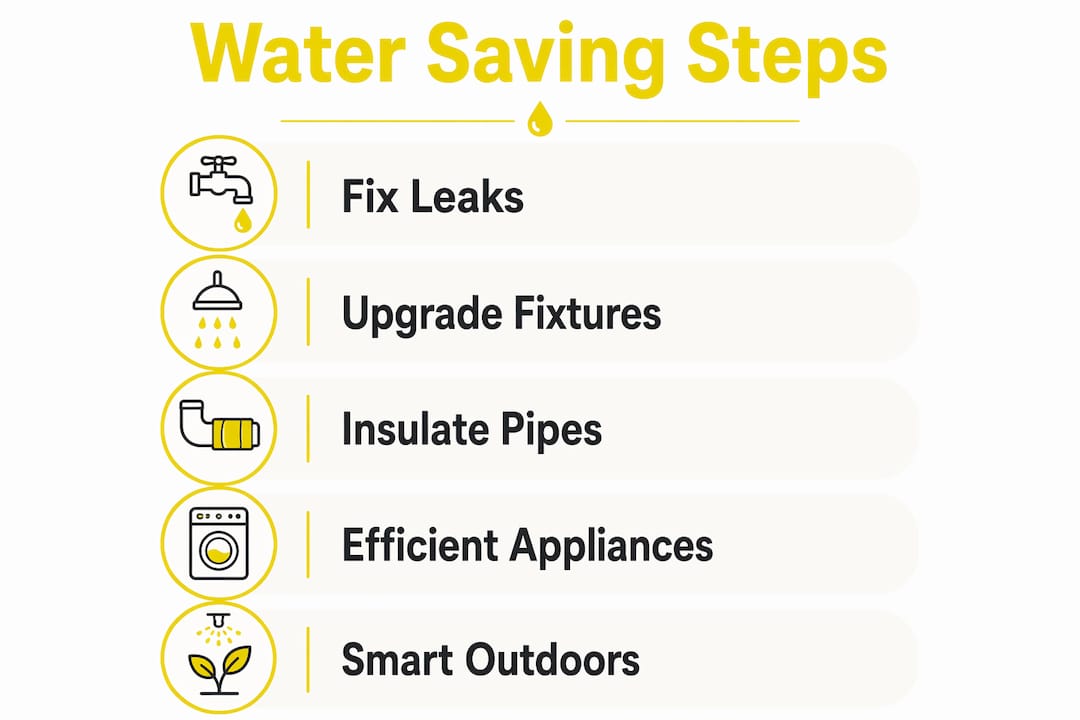
Fixing leaks, swapping out old fixtures, and adjusting a few daily habits are the fastest ways to cut your water bill. The average American family spends $1,300 per year on water, but retrofitting with WaterSense-labeled fixtures and ENERGY STAR-certified appliances can substantially reduce that cost each year. Here is a quick-reference list of the most effective moves:
- Fix dripping faucets, running toilets, and leaky irrigation lines first.
- Replace old toilets with WaterSense-labeled or dual-flush models.
- Install low-flow showerheads and faucet aerators.
- Run dishwashers and washing machines only with full loads.
- Set your water heater to 120°F and flush it once a year.
- Water your lawn between 4 and 10 a.m. to cut evaporation.
- Use a smart irrigation controller tied to local weather data.
Pro Tip: Insulating your hot water pipes is one of the most overlooked plumbing fixes for lower bills. It keeps water hotter between draws, so you run the tap less waiting for heat to arrive.
1. How fixing leaks reduces your water costs
Leaks are the single biggest source of hidden water waste in most homes. A running toilet caused by a worn flapper can waste hundreds of gallons daily without making a sound you would notice. A dripping faucet is quieter still, but running 24 hours a day, it adds up fast.
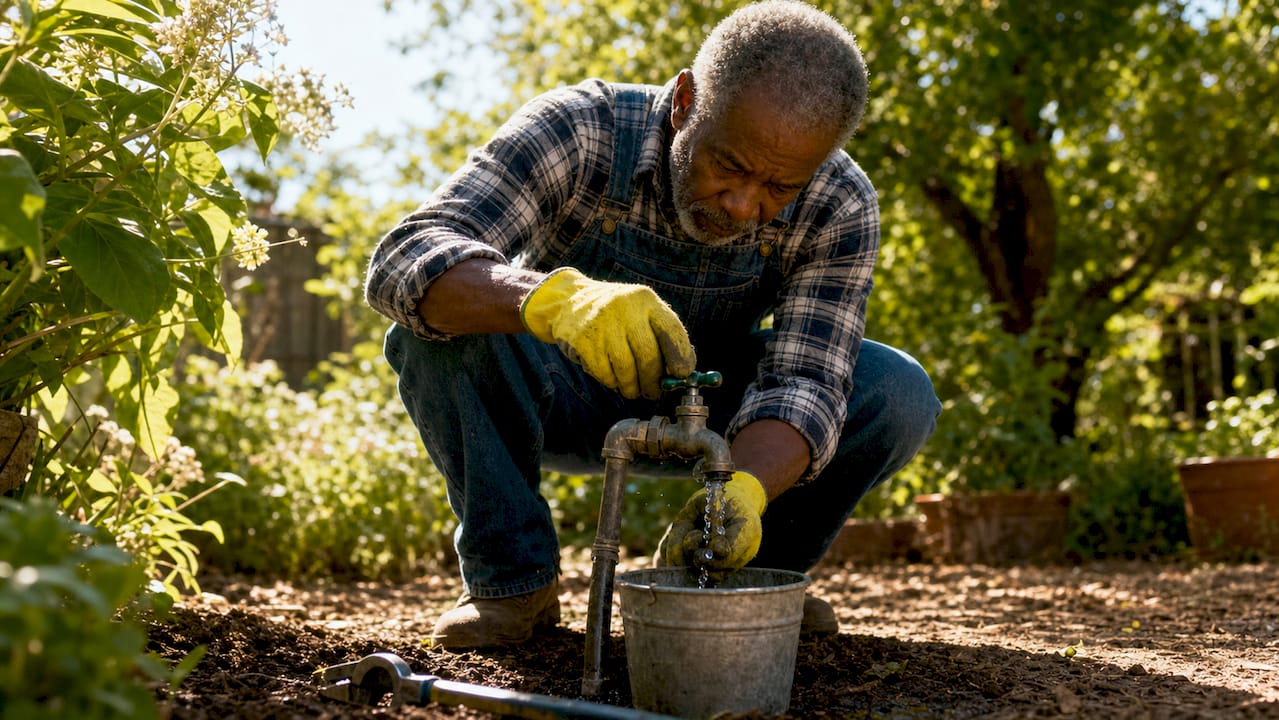
The most reliable way to spot a hidden leak is a meter test. Turn off every water source in the house, then read your water meter. Wait two hours without using any water, then read it again. If the number moved, you have a leak somewhere. This technique catches problems that visual checks miss entirely.
Common leak points to check:
- Toilet flappers (use a dye test: drop food coloring in the tank and wait 30 minutes)
- Faucet washers and cartridges
- Outdoor hose bibs and irrigation connections
- Supply lines under sinks and behind appliances
Pro Tip: Check your monthly water statement for unexplained spikes. A bill that jumps without a change in your routine is often the first sign of a slow leak inside a wall or under a slab.
Most faucet repairs cost under $50 in parts. A standard toilet flapper runs about $10. Call a licensed plumber when you see wet spots along pipes or under a sink, since those often signal corrosion or a loose connection deeper in the system.
2. Upgrading to water-efficient fixtures and appliances
Old fixtures waste water by design. Federal toilet efficiency standards changed in 1992, so any toilet installed before then uses far more water per flush than current models. WaterSense-labeled toilets save about 13,000 gallons per year for the average household, cutting water costs by more than $170 annually and over $3,400 across a toilet’s lifetime.
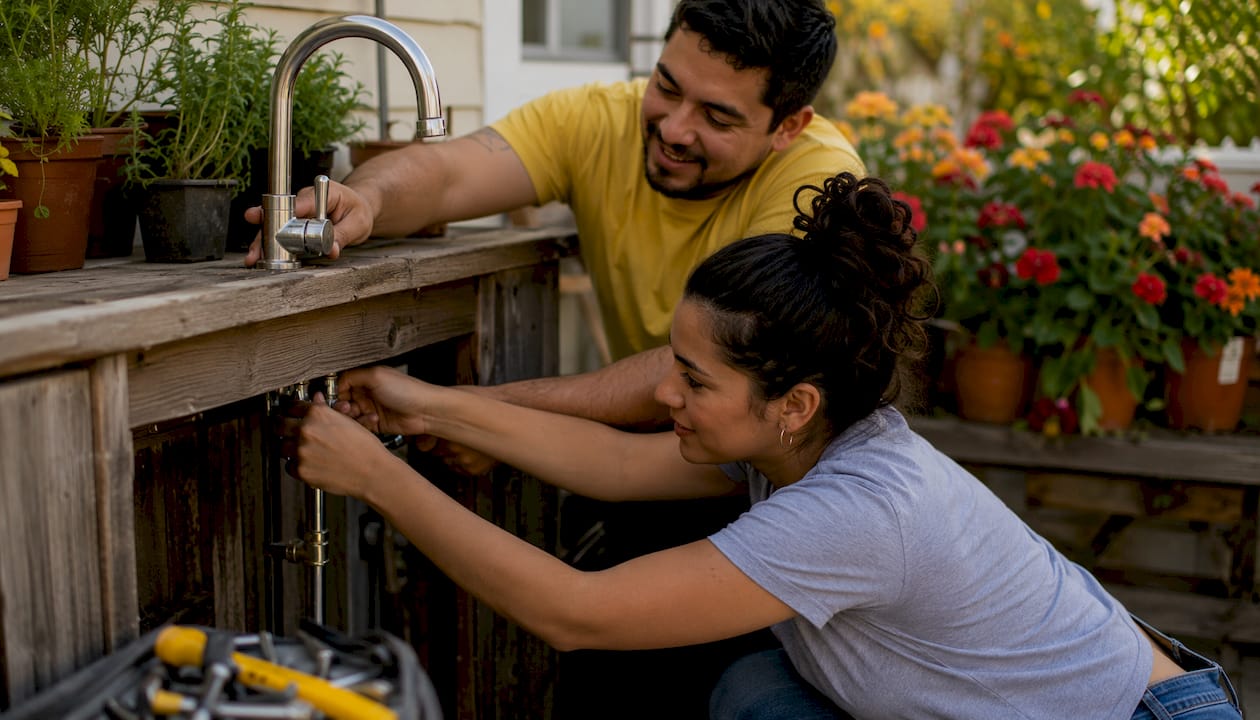
WaterSense-certified fixtures match the performance of standard models while using less water. They are independently tested and certified against EPA specifications, so you are not trading pressure for savings.
| Fixture | Standard usage | WaterSense / efficient usage | Annual savings |
|---|---|---|---|
| Toilet | more than 1.28 gallons per flush | 1.28 gallons per flush | ~13,000 gallons |
| Showerhead | 2.2 gallons per minute | 2.0 gallons per minute | ~2,700 gallons |
| Bathroom faucet | 2.2 gallons per minute | 1.5 gallons per minute | ~2,700 gallons |
| Washing machine | Standard water use | 30% less water | Thousands of gallons |
| Dishwasher | Standard water use | ENERGY STAR certified | Thousands of gallons lifetime |
Dual-flush toilets offer options that reduce per-flush water use substantially compared to older models. For WaterSense-labeled fixtures, the maximum average flush volume is capped at 1.28 gallons per flush.
3. Water heater tips that cut both water and energy waste
Your water heater affects your water bill more directly than most homeowners realize. Every time you run the tap waiting for hot water to arrive, that cold water goes straight down the drain. Hot water distribution inefficiencies waste thousands of gallons annually in homes where the heater is far from the fixtures it serves.
Key plumbing improvements for hot water efficiency:
- Insulate hot water pipes using polyethylene or neoprene foam sleeves, which can deliver water 2°F–4°F hotter than uninsulated pipes and reduce the time you wait at the tap.
- Right-size your pipes so the volume of stored water between the heater and each fixture stays as low as possible. Oversized pipes hold more standing water, which cools between draws and gets flushed before hot water arrives.
- Install a demand-initiated recirculation pump triggered by a sensor or button rather than a timer. Demand-based systems reduce standby losses and unnecessary water cycling compared to timer-based alternatives.
- Flush your water heater once a year to clear sediment buildup, which forces the unit to work harder and heat less efficiently.
- Set the thermostat to 120°F. Higher settings waste energy and increase the risk of scalding without delivering meaningful benefit.
4. Running dishwashers and washing machines efficiently
The rule here is simple: never run either appliance with a partial load. Running full loads only reduces water usage without any hardware change at all. A dishwasher uses the same amount of water whether it holds six plates or a full rack, so waiting until it is full costs nothing extra.
Behavioral habits that cut water use in the laundry room and kitchen:
- Scrape plates instead of rinsing them before loading the dishwasher. Pre-rinsing under a running tap wastes up to 10 gallons per session.
- Select the correct load size on your washing machine when you cannot wait for a full load.
- Thaw frozen food in the refrigerator overnight rather than running water over it.
- Keep a pitcher of drinking water in the refrigerator instead of running the tap until it cools.
Pro Tip: Set your washing machine to cold water. It cleans just as well for most loads and cuts the energy your water heater uses, which lowers both your water and electricity bills at once.
ENERGY STAR washing machines use about 30% less water than conventional models. When your appliances are due for replacement, that certification is the single most useful thing to look for.
5. Smart outdoor water management and rainwater collection
Outdoor watering is one of the easiest places to waste water without noticing. Watering at the wrong time of day, running sprinklers during rain, or skipping mulch on garden beds all add up on your bill. Watering between 4 and 10 a.m. reduces evaporation loss by up to 30% compared to midday watering.
Smart outdoor water-saving strategies:
- Install a smart irrigation controller that adjusts your watering schedule based on local weather forecasts and soil moisture, so your sprinklers skip automatically when rain is coming.
- Apply mulch around plants and garden beds. Mulch retains soil moisture and cuts how often you need to water.
- Choose drought-tolerant plants and native species that thrive on natural rainfall with minimal supplemental watering.
- Collect rainwater in a cistern or rain barrel for garden irrigation. Even a modest setup offsets a meaningful portion of outdoor water use during dry months.
- Check irrigation lines and drip emitters for leaks at the start of each season.
Pro Tip: Smart irrigation controllers can reduce outdoor water waste by up to 30%. Pairing one with a rain sensor is the fastest upgrade for homeowners who water a lawn regularly.
6. Expert plumbing maintenance practices that prevent water waste
Prevention is cheaper than repair, and the plumbing practices below protect your system while keeping water use low. Isolation valves on individual fixtures let you shut off water to a single toilet or sink without cutting the whole house, which makes repairs faster and less disruptive.
High municipal water pressure is a quiet cause of leaks and pipe wear. Pressure above 80 psi accelerates wear on fittings, hoses, and fixture seals. A pressure-reducing valve (PRV) set between 45–60 psi protects the entire system and reduces the volume of water flowing through every fixture.
Annual maintenance checklist:
- Test your water meter for hidden leaks (no-use period test at night).
- Inspect toilet flappers, fill valves, and supply lines.
- Check under-sink supply lines and drain connections for moisture.
- Flush your water heater to remove sediment.
- Inspect outdoor hose bibs and irrigation connections.
- Verify your PRV is set correctly if your home has one.
- Schedule a professional plumbing inspection to catch issues you cannot see.
Smart leak detection sensors placed near water heaters, washing machines, and under sinks alert you the moment moisture appears, often before any visible damage occurs.
7. Summary of key plumbing tips to lower your water bill
The most effective water-saving plumbing strategies combine quick fixes with longer-term upgrades:
- Fix leaks immediately: faucets, toilet flappers, and irrigation lines are the most common culprits.
- Upgrade to WaterSense-labeled toilets, showerheads, and faucets.
- Replace aging washing machines and dishwashers with ENERGY STAR-certified models.
- Insulate hot water pipes and consider a demand-initiated recirculation pump.
- Water your lawn before 10 a.m. and use a smart irrigation controller.
- Run a meter test annually to catch hidden leaks before they inflate your bill.
- Adjust daily habits: shorter showers, full loads only, and tap off while brushing teeth.
8. How aerators and flow restrictors cut water use without sacrificing pressure
Faucet aerators are small mesh screens that screw onto the tip of a faucet and mix air into the water stream. They reduce flow from a typical 2.2 gallons per minute down to 1.5 gallons per minute or less, with no noticeable drop in pressure at the tap. They cost $10–$20 and take about two minutes to install.
Flow restrictors work similarly inside showerheads, limiting the volume of water per minute while maintaining spray coverage. WaterSense-labeled showerheads cap flow at 2.0 gallons per minute. Installing one in a household that showers daily saves roughly 2,700 gallons per year. The EPA notes that WaterSense-labeled faucet aerators could save enough electricity to run a hair dryer for 17 minutes every day for a year, since less hot water drawn means less energy spent heating it.
9. Winterizing plumbing to prevent burst pipes and leaks
A burst pipe from freezing temperatures can release hundreds of gallons in minutes and cause thousands of dollars in damage. In Massachusetts and other cold-climate states, winterizing your plumbing before the first hard freeze is one of the most cost-effective things you can do for your water bill and your home. Mysticvalleyservices covers this in detail for local homeowners looking to prep plumbing for winter.
Key winterizing steps:
- Insulate pipes in unheated spaces: basements, crawl spaces, garages, and exterior walls.
- Disconnect and drain outdoor hoses before the first freeze. Leaving a hose attached traps water in the bib and can crack the fitting.
- Shut off and drain irrigation systems completely before temperatures drop below freezing.
- Know where your main shutoff valve is. If a pipe does burst, getting to that valve fast limits the damage.
- Keep cabinet doors under sinks open on very cold nights to let warm air reach the pipes.
Key Takeaways
Fixing leaks, upgrading to WaterSense-labeled fixtures, and adopting efficient appliance habits are the three fastest ways to cut your household water bill in 2026.
| Point | Details |
|---|---|
| Fix leaks first | A worn toilet flapper can waste hundreds of gallons daily; a $10 replacement stops it immediately. |
| Upgrade toilets and fixtures | WaterSense-labeled toilets save about 13,000 gallons per year and over $170 annually per household. |
| Use ENERGY STAR appliances | ENERGY STAR washing machines use about 30% less water than conventional models. |
| Insulate hot water pipes | Pipe insulation reduces heat loss and cuts the water wasted while waiting for hot water to arrive. |
| Water outdoors before 10 a.m. | Watering between 4 and 10 a.m. reduces evaporation loss by up to 30%. |
Ready to stop guessing where your water is going? Mysticvalleyservices provides professional plumbing inspections, fixture upgrades, and maintenance services across Massachusetts. Whether you need a PRV installed, a water heater flushed, or a full home plumbing service review, the team brings the expertise to find waste and fix it fast.